A World of Silence: When Messages Moved at the Speed of Horsepower
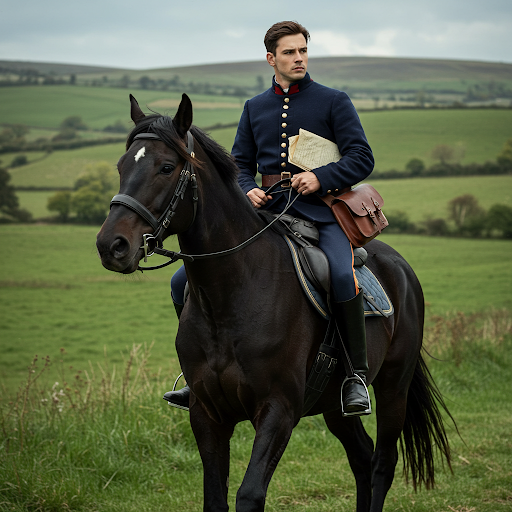
Imagine a world not so different from the age of Game of Thrones—a time when communication was slow, fragmented, and often perilous. Less than 200 years ago, our reality mirrored the medieval struggles of Westeros. Messages crawled across continents by horseback, ship, or stagecoach, taking weeks to arrive—if they arrived at all. Just as a lord in Winterfell might wait months for word from King’s Landing, families in the 1800s waited for letters that could be lost to bandits, storms, or sheer distance.
The speed of communication was bound by the laws of motion—a messenger’s horse could only gallop so fast, and a ship’s sail could only harness so much wind. Information traveled at the whim of kinetic energy and friction.
The Telegraph: Wires, Dots, and the Birth of Instant Connection
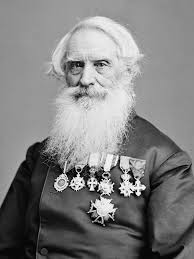
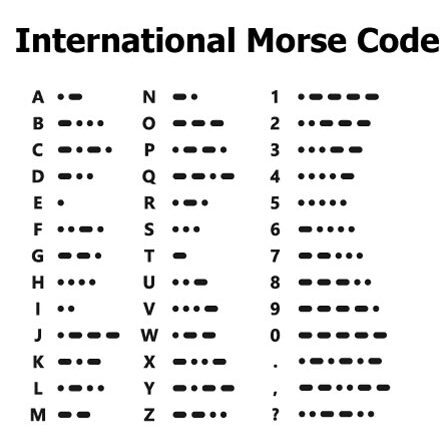
The telegraph, invented by artist-turned-inventor Samuel Morse in 1837, shattered these limits. Using Morse code—a language of dots and dashes—messages could leap across wires in minutes. By 1844, Morse’s famous question, “What hath God wrought?” flashed from Washington, D.C., to Baltimore, heralding a new era.
But the telegraph had its constraints. Like the Maesters of Westeros encoding scrolls, operators translated words into code. Wires snaked across landscapes, but ships at sea and remote villages remained isolated.
3. Radio Waves: The Magic of Invisible Light
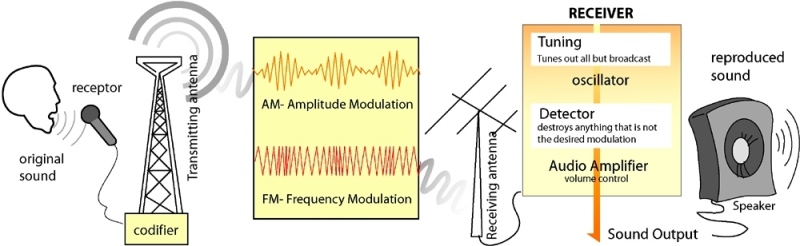
Radio waves are part of the electromagnetic spectrum, vibrating at frequencies between 3 kHz and 300 GHz. Unlike sound, they need no medium—they travel at light speed (299,792 km/s) through the vacuum of space. Tuning into a frequency is like choosing a raven’s destination: you must “listen” on the right channel.
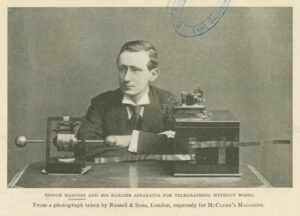
Then came radio. In 1887, Heinrich Hertz proved the existence of invisible electromagnetic waves—radio waves—confirming James Clerk Maxwell’s equations. By 1901, Guglielmo Marconi sent the first transatlantic radio signal, a feat as fantastical as magic in Westeros. Messages now flew through the air, wirelessly linking continents.
But with this power came a new battlefield: control of the airwaves.
4. World Wars: When Radio Became a Weapon
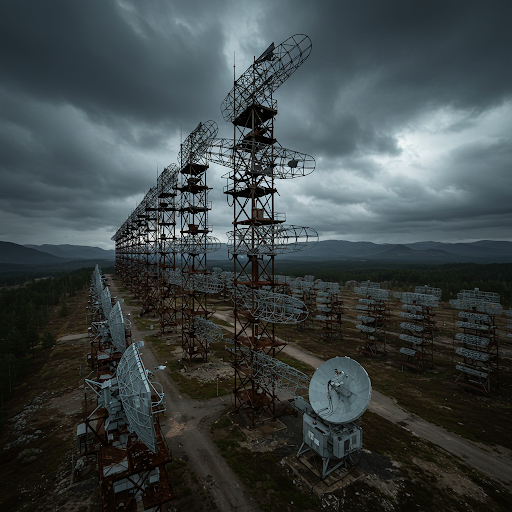
Radar: Radio waves bounced off objects to detect enemy planes and ships, revolutionizing warfare.
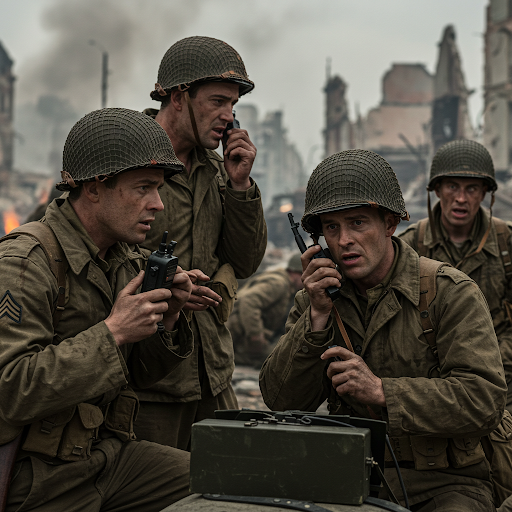
Walkie-Talkies: Portable radios used frequency modulation (FM) to cut through static, enabling battlefield coordination.
World War I and II turned radio into a tool of survival and domination.
- WWI: Radio let commanders coordinate armies in real-time, but intercepted signals could doom entire battalions. The British cracked German codes, foreshadowing WWII’s Enigma breakthroughs.
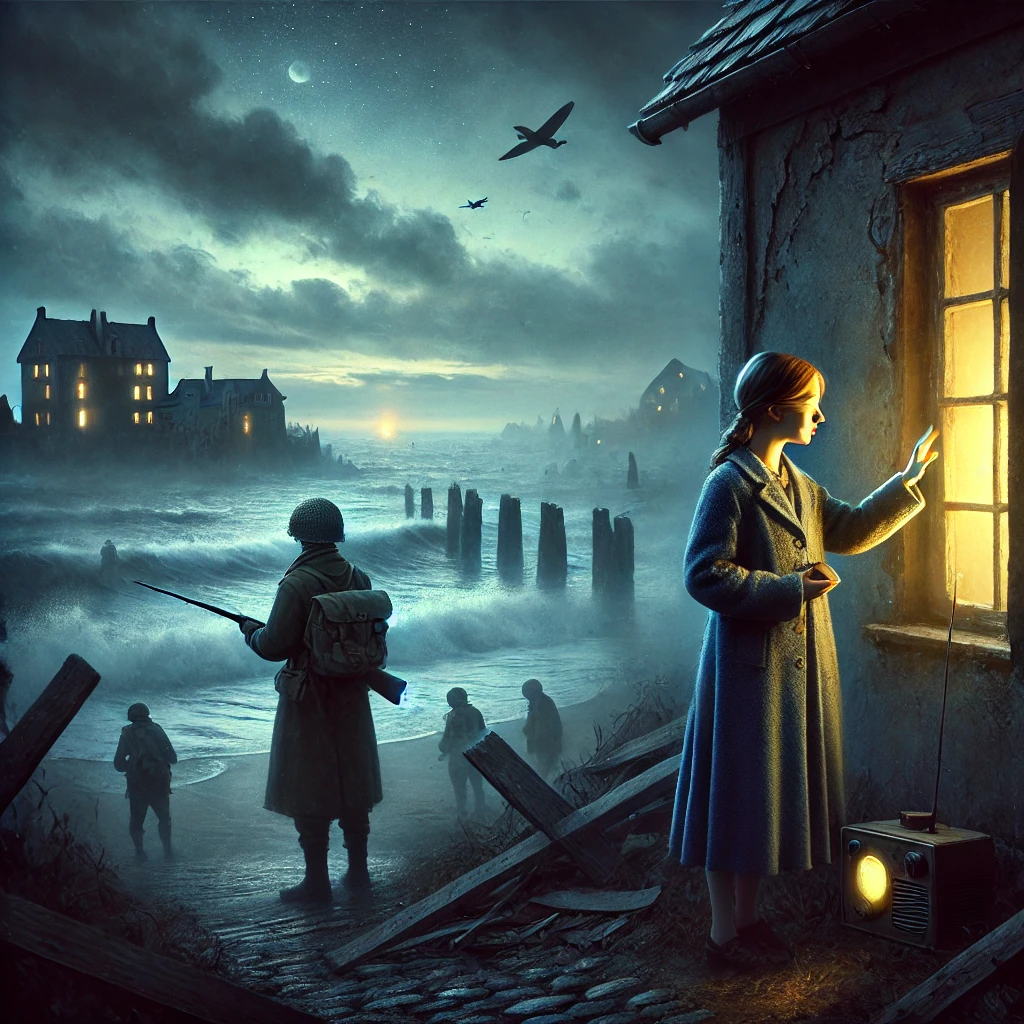
- WWII: Radio was propaganda’s megaphone. The Nazis weaponized broadcasts to spread fear, while the Allies used stations like the BBC’s Radio Londres to fuel resistance. Anthony Doerr’s All the Light We Cannot See captures this duality: for Werner, a German prodigy, radio is both a lifeline and a chain; for Marie-Laure, a blind French girl, it’s a beacon of hope in occupied France.
5. Legacy: From Control to Connection
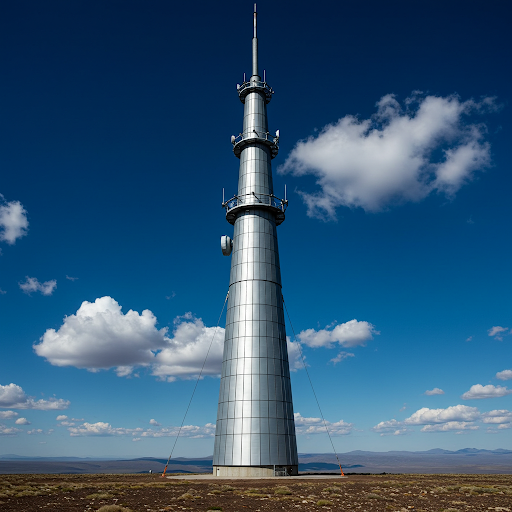
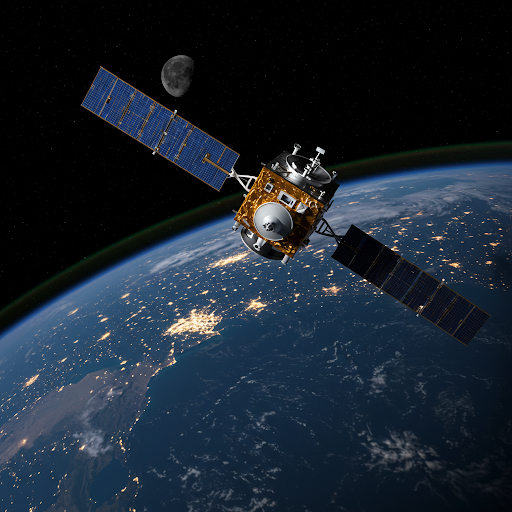
Post-war, radio evolved into a force for unity. Governments built networks to broadcast news and culture, while the Cold War turned airwaves into ideological battlegrounds. Today, radio’s descendants—WiFi, satellites, and smartphones—still rely on the same electromagnetic principles Marconi harnessed.

Leave a Reply